Avogadro: an open-source molecular builder for advanced learners
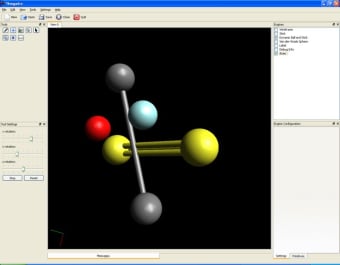
Avogadro, developed by the Avogadro community, is an open-source molecular editor and visualizer for scientific study and instruction. It enables learners to construct and inspect 3D chemical structures, perform basic molecular modeling, and render orbitals and vibrations for conceptual clarity. Key capabilities include a scriptable plugin system, Open Babel format support, and force-field geometry refinement. The tool targets computational chemists, materials researchers, and advanced science students who need a hands-on modeling environment.
Top Recommended Alternative
What is the tool used for?
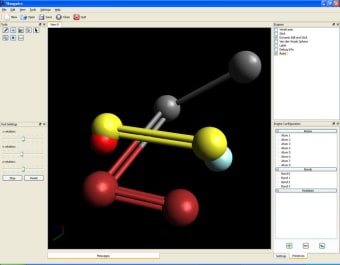
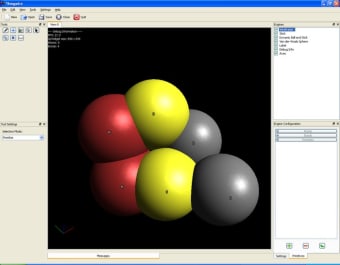
The tool is a 3D molecular builder and editor designed to construct, edit, and visualize chemical structures for study and research. It supports import and export of diverse chemical formats through Open Babel, so models created for one computational package can be shared with another. Rendering of molecular orbitals, surfaces, and vibrational modes helps learners connect computed data to visual representations during laboratory exercises.
How does it support hands-on molecular learning?
Hands-on learning comes from model construction, iterative refinement, and visual feedback. The program offers molecular mechanics and force-field optimization to minimize energy after edits, letting students test the effects of small changes. High-quality rendering of orbitals and vibrations gives visual cues that aid conceptual understanding, while responsive display during manipulation helps learners explore structure–property relationships in class assignments.
Is it suitable for students or beginners?
The tool is aimed at computational chemists, molecular modelers, materials scientists, and advanced science students, so it fits upper-level laboratory courses and graduate instruction. Beginners benefit from instructor-led exercises because the workflow assumes familiarity with chemical concepts and file handling. Educators should plan guided tasks that build domain knowledge before assigning scripting or extension-based projects.
How adaptable is it for projects and extensions?
Customization is a practical classroom advantage: a plugin architecture accepts Python and C++ extensions so educators and researchers can add analysis routines or custom renderers. Scripting support lets teams prototype workflows and package them for reuse in assignments. Course projects can include shared scripts or plugins that standardize preprocessing and analysis steps for student datasets.
Who benefits most from this tool?
Advanced undergraduates, graduate students, and research staff benefit from the community-maintained, cross-platform project because it supports hands-on modeling practice within an evolving open-source codebase. Expect a staged teaching approach: start with focused, instructor-guided exercises before open-ended modeling tasks. Practical tip: assign incremental models so learners build confidence with file handling and scripting, and plan assessments around small datasets to reduce exposure to reported instability.